
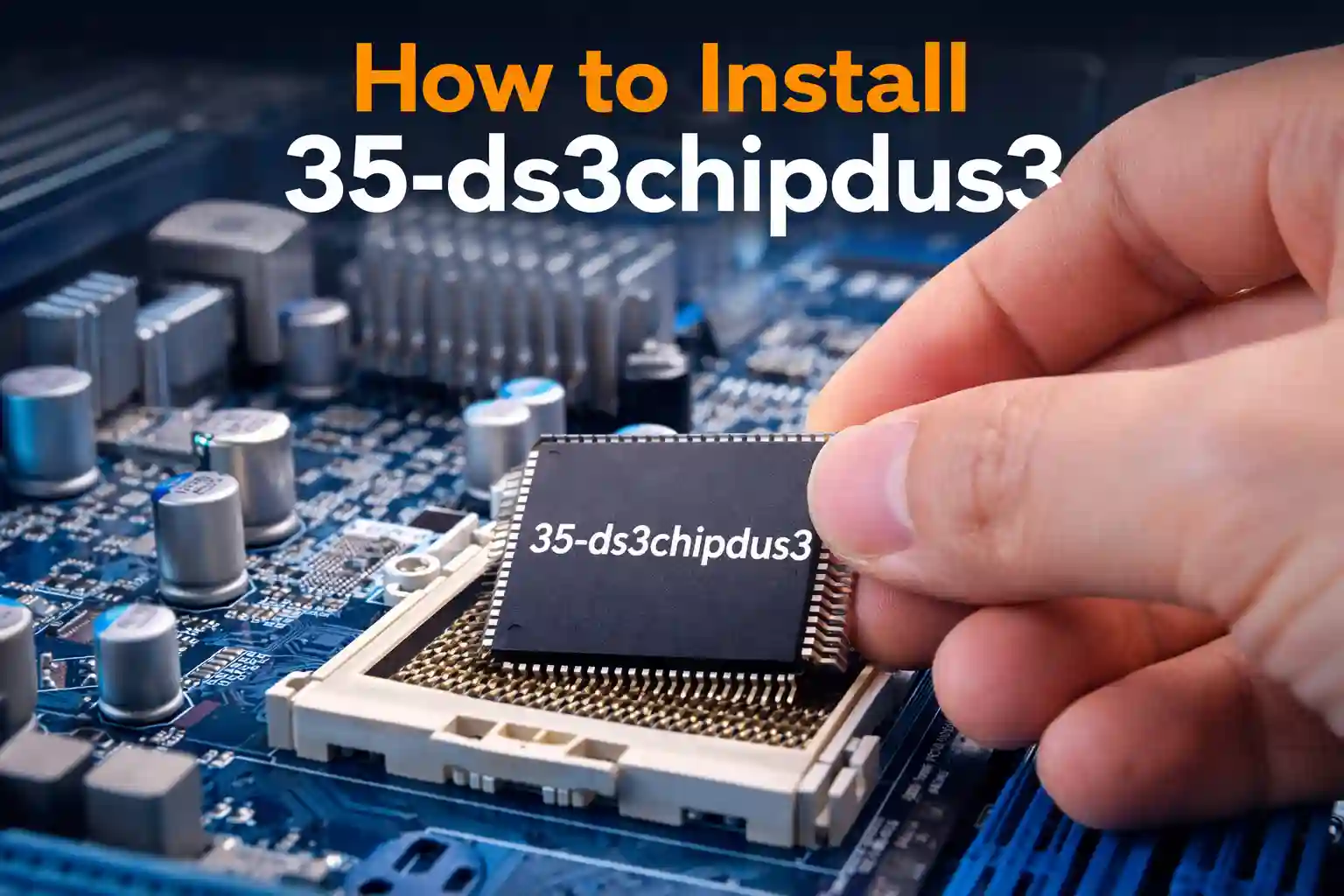
Installing 35-ds3chipdus3 can feel like navigating a complex puzzle, especially if you’ve never worked with similar components before. Whether you’re a seasoned technician or a first-time user, understanding the installation process is crucial for achieving optimal performance and avoiding potential issues. In this guide, I’ll walk you through the steps, share real-world examples, and provide helpful comparisons to make your setup as smooth as possible.
Understanding 35-ds3chipdus3
Before diving into installation, it’s important to understand what 35-ds3chipdus3 actually does. At its core, this component acts as a crucial intermediary in electronics systems, ensuring data transmission is smooth and reliable. Users often notice improved system stability and faster processing speeds after proper installation.
Key Features of 35-ds3chipdus3:
- High-efficiency data handling
- Low energy consumption
- Compact design for versatile installations
- Reliable compatibility with multiple devices
Knowing these features will help you troubleshoot potential issues and make informed choices during installation.
Preparation Before Installation
A successful installation starts with preparation. Here are the essential steps:
- Verify Compatibility: Ensure your system supports 35-ds3chipdus3 specifications.
- Gather Tools: Typically, you’ll need a screwdriver, anti-static wrist strap, and calibration software.
- Backup Data: Even if installation seems straightforward, backing up sensitive data is a good precaution.
- Read the Manual: Manufacturers often provide specific guidelines unique to their model, which can prevent costly mistakes.
Personal note: The first time I installed a similar chip, skipping the manual led to a minor setup error that took hours to correct. Learning from that, I now always read manufacturer instructions first.
Step-by-Step Installation Process
Installing 35-ds3chipdus3 involves several clear steps. Follow this structured approach for optimal results:
- Power Down Your System: Always start by switching off your device to prevent electrical damage.
- Locate Installation Slot: Identify the designated port or socket for the chip.
- Handle With Care: Use an anti-static wrist strap to avoid electrostatic discharge.
- Insert the Chip: Align pins carefully and press firmly but gently until it clicks into place.
- Secure and Test: If screws or brackets are provided, secure the chip. Boot the system and confirm it recognizes the new component.
By following these steps, you reduce the risk of errors and ensure the chip functions properly from the start.
Comparison Table: 35-ds3chipdus3 vs Similar Components
| Feature | 35-ds3chipdus3 | Generic Chip A | Generic Chip B |
|---|---|---|---|
| Energy Efficiency | High | Medium | Low |
| Data Handling Speed | 1.2 Gbps | 0.8 Gbps | 0.6 Gbps |
| Compatibility | Wide | Limited | Moderate |
| Installation Complexity | Moderate | Easy | Difficult |
| Long-Term Reliability | Excellent | Average | Poor |
This table highlights why 35-ds3chipdus3 often outperforms other options in stability, speed, and long-term reliability.
Operational Insights: 35-ds3chipdus3 in Action
Imagine a small tech company upgrading its internal servers. Previously, frequent data bottlenecks slowed operations. After installing 35-ds3chipdus3 across multiple units, the IT team noticed significantly faster data processing and fewer interruptions. The installation process was straightforward, and within hours, the system was running smoothly.
This real-world example shows that a properly installed 35-ds3chipdus3 not only enhances technical performance but also boosts productivity in practical applications.
Troubleshooting Common Issues
Even with careful installation, some issues may arise:
- System Not Recognizing the Chip: Check for proper alignment and ensure the slot is clean.
- Overheating: Verify ventilation and consider using a cooling solution if the environment is warm.
- Software Conflicts: Update drivers or firmware to match the new component.
Most issues can be resolved quickly by following manufacturer recommendations and basic troubleshooting steps.
Tips for Long-Term Performance
- Regular Cleaning: Dust can affect chip performance over time.
- Monitor System Temperatures: Overheating reduces longevity.
- Update Software: Ensure your drivers and firmware are current.
- Handle with Care: Avoid touching pins or connectors directly.
By maintaining your system, 35-ds3chipdus3 will continue to deliver high reliability for years.
Also Read: Discover lna2u9h2f1k7 Benefits & Insights Today
Conclusion
Installing 35-ds3chipdus3 may seem intimidating at first, but with proper preparation, careful handling, and attention to detail, the process is straightforward and highly rewarding. From enhanced data handling to long-term system reliability, this component provides tangible improvements in both personal and professional setups. Remember, reading instructions, following steps, and performing routine maintenance are key to unlocking the chip’s full potential.
FAQs
Q1: Can I install 35-ds3chipdus3 on any system?
A: It’s essential to check compatibility with your specific hardware and software specifications before installation.
Q2: Do I need professional help to install this chip?
A: While many users can follow instructions successfully, professional installation ensures zero errors and optimal performance.
Q3: How do I know if 35-ds3chipdus3 is working correctly?
A: After installation, run system diagnostics or use monitoring software to check data transfer speeds and system stability.
Q4: Is overheating common with this component?
A: Not if proper cooling and ventilation are maintained. Regular monitoring helps prevent potential issues.
Q5: How long does 35-ds3chipdus3 last?
A: With correct installation and maintenance, it can function reliably for several years, outperforming many alternatives.