
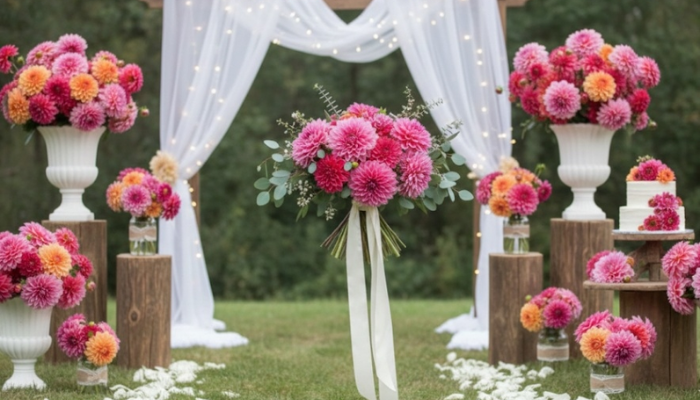
When I first stumbled upon the boylecheloid flower, I was instantly captivated by its delicate petals and intricate structure. Unlike common garden blooms, this flower carries a subtle elegance that blends both ornamental beauty and ecological significance. Over time, I’ve realized that appreciating this flower is as much about its history and biology as it is about its visual charm.
Origins and Botanical Background
The boylecheloid flower belongs to a lesser-known genus renowned for its unusual petal arrangement and vibrant yet soothing color palette. Native to subtropical regions, it thrives in humid climates and well-draining soils. Its resilience in diverse environments makes it a favorite among horticulturists and home gardeners alike.
Interestingly, this flower has evolved to attract specific pollinators, including bees and butterflies, with its subtly scented nectar. This ecological relationship not only enhances biodiversity but also makes it an important species for sustaining local ecosystems.
Physical Characteristics
One of the most striking features of the boylecheloid flower is its spiral petal formation, which creates a visually appealing symmetry. The petals often display a gradient of hues ranging from soft pastels to deep, vibrant shades. Additionally, the flower’s stem is firm yet flexible, allowing it to sway gracefully in the wind without damage.
Key Features Table
| Feature | Boylecheloid Flower | Common Garden Flower |
|---|---|---|
| Petal Arrangement | Spiral, intricate | Radial, simple |
| Color Range | Pastel to vibrant | Limited, uniform |
| Climate Preference | Subtropical, humid | Temperate, variable |
| Pollinator Attraction | Bees, butterflies | Mostly bees |
| Growth Resilience | High | Moderate |
This comparison helps highlight the unique qualities of the boylecheloid flower and why it stands out in gardens or natural landscapes.
Growing and Care Tips
Cultivating the boylecheloid flower is rewarding but requires some attention to detail. Here’s what you should know:
- Soil and Drainage – Loamy, well-drained soil enriched with organic compost promotes healthy growth. Avoid waterlogged conditions.
- Sunlight – Prefers indirect sunlight. Too much direct exposure may scorch its delicate petals.
- Watering – Regular, moderate watering keeps the soil moist but never soggy.
- Fertilization – A balanced, slow-release fertilizer applied during the growing season encourages vibrant blooms.
- Pruning – Trim spent flowers and damaged leaves to stimulate new growth and maintain a tidy appearance.
From my personal experience, placing the boylecheloid near a bright window allowed it to flourish indoors, adding both aesthetic appeal and a touch of tranquility to my space.
Practical Uses and Benefits
While often admired for its ornamental value, the boylecheloid flower has practical applications as well. Garden designers frequently incorporate it into themed landscapes, such as butterfly gardens, to attract pollinators and enhance biodiversity. Additionally, some communities use its petals in natural dyeing processes due to the gentle pigments they release.
How Boylecheloid Flowers Transform Garden Ecosystems
Imagine a small urban park struggling to support local pollinators. Introducing boylecheloid flowers along walking paths not only enhances the visual appeal but also creates a mini ecosystem that supports bees and butterflies. Over time, visitors notice a richer array of pollinators, and the park becomes a hub for both education and leisure. This demonstrates the flower’s dual role in aesthetics and environmental stewardship.
Varieties and Subspecies
Though the boylecheloid flower is a niche species, there are several varieties adapted to different climates and soil conditions. Some blooms feature a denser petal arrangement, while others showcase softer, pastel colors that appeal to minimalistic garden designs. By understanding these subtleties, gardeners can select varieties that suit both their personal taste and environmental conditions.
How It Compares to Popular Garden Flowers
One reason the boylecheloid flower has gained attention among horticulturalists is its versatility compared to more mainstream flowers. While roses and tulips are iconic, they often require high maintenance and specific conditions. In contrast, boylecheloids are hardy, adapt well to varying light conditions, and require less chemical treatment to thrive. Their natural resilience makes them a sustainable choice for eco-conscious gardeners.
Read More: The Tips and Tricks WutawHealth Guide
Conclusion
The boylecheloid flower is more than just a pretty bloom; it’s a testament to nature’s artistry and ecological wisdom. From its elegant spiral petals to its role in supporting pollinators, it embodies both beauty and purpose. By understanding its care, varieties, and environmental benefits, gardeners and flower enthusiasts can enjoy a unique addition to their spaces that blends aesthetics with ecological mindfulness.
Whether you’re designing a lush garden, creating a butterfly-friendly habitat, or simply appreciating floral beauty at home, the boylecheloid flower stands out as a resilient, versatile, and captivating choice.
FAQs
Q1: How often should I water a boylecheloid flower?
A: Keep the soil consistently moist but not soggy. Moderate watering 2–3 times a week is usually sufficient, depending on climate.
Q2: Can boylecheloid flowers grow indoors?
A: Yes! With bright, indirect sunlight and well-draining soil, they can thrive indoors in pots or planters.
Q3: Are there any pests that commonly affect this flower?
A: Aphids and spider mites occasionally target boylecheloids. Regular inspection and organic pest control can manage infestations.
Q4: How long does the boylecheloid flower bloom?
A: Typically, blooms last 4–6 weeks, but proper care and pruning can encourage multiple flowering cycles per season.
Q5: Is the boylecheloid flower suitable for eco-friendly gardens?
A: Absolutely. Its nectar attracts pollinators, making it ideal for sustainable and wildlife-friendly gardening.